
How Much Weight Do Twins Gain Per Week in Third Trimester
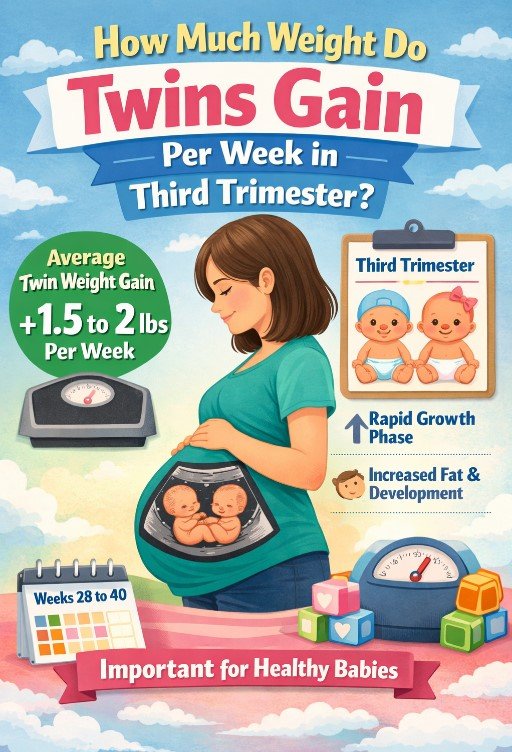
The third trimester brings exciting changes when you’re expecting twins. Many parents wonder about normal twin weight gain and weekly growth patterns during these final months. Understanding how much weight do twins gain per week in third trimester helps you know what to expect and ensures your little ones are developing properly.
Understanding Twin Weight Gain in the Third Trimester
Twin weight gain third trimester follows a unique pattern compared to singleton pregnancies. The third trimester spans from week 28 until delivery, which typically occurs earlier for twins than single babies. During this crucial period of prenatal twin development, your twins experience their most significant growth phase.
The twin fetal growth rate depends on several factors including genetics, placental health, and whether they share a placenta. Your healthcare provider tracks the growth of multiple pregnancies through regular ultrasound measurements to ensure both babies are thriving. Expected twin weight varies based on gestational age twins, but most follow predictable patterns.
Average Weekly Weight Gain for Twins
Twin baby weight development varies throughout the third trimester. The twin growth pattern isn’t always steady, with some weeks showing more dramatic changes than others. Understanding weekly weight gain for twins helps set realistic expectations.
Weeks 28-32: Early Third Trimester Growth
During weeks 28 through 32, twins typically gain about half a pound each week. At 28 weeks, each baby usually weighs around 2.5 pounds. By week 32, most twins reach approximately 4 pounds each. This represents healthy twin development during the early late pregnancy stage.
This period marks rapid brain development and fat accumulation. Your babies are building the reserves they’ll need after birth. How much should each twin weigh at 32 weeks is a common question—the answer is typically 3.5 to 4.5 pounds per baby, though some variation is normal.
The twin weight gain pattern during these weeks sets the foundation for healthy growth outside the womb. Fetal weight estimation twins through ultrasound becomes increasingly important for monitoring progress.
Weeks 33-36: Rapid Development Phase
Between weeks 33 and 36, twin weight gain third trimester reaches its peak. Each baby gains roughly 0.5 to 0.75 pounds per week during this phase. At week 36, healthy twins often weigh between 5.5 and 6.5 pounds each. This answers the question of how fast do twins grow—quite rapidly during this window.
This timeframe represents the fastest growth period for twin pregnancy milestones. Your twins are putting on essential body fat and their organs are maturing rapidly. Many twin pregnancies deliver during this window, as the average gestational age for twins is around 36 weeks. The twin growth per week is most noticeable during this rapid development stage.
Weeks 37-38: Final Growth Stage
If your pregnancy continues past 36 weeks, twin growth patterns may slow slightly. Each baby might gain about 0.25 to 0.5 pounds per week. Space becomes limited in the womb, which naturally affects how much twins grow.
Twins born at 37 or 38 weeks typically weigh between 6 and 7 pounds each, contributing to an average twin birth weight that’s slightly lower than singletons. However, reaching these later weeks is less common with multiples. Understanding what is normal weight gain for twins in late pregnancy helps manage expectations.
Factors That Affect Twin Weight Gain
Several elements influence twin fetal development and growth rates. Understanding why do twins gain weight differently helps explain variations between babies.
Type of Twin Pregnancy: Dichorionic vs Monochorionic
Dichorionic twins have separate placentas, which usually allows more independent twin growth patterns. Each baby receives their own nutrient supply, often resulting in more consistent growth rates. These twins may follow a twin growth chart more predictably.
Monochorionic twins share a placenta, which can sometimes lead to unequal weight distribution. One twin might receive more nutrients than the other, affecting individual twin fetal growth rate. Your doctor monitors this carefully through regular measurements to identify any twin growth concerns early.
The type of multiple pregnancy growth pattern significantly impacts when do twins gain the most weight and how evenly that weight is distributed between babies.
Maternal Health and Nutrition
Your health directly impacts twin size by week and overall prenatal twin development. Proper nutrition, adequate rest, and managing pregnancy-related conditions all play crucial roles. Women carrying twins need additional calories and specific nutrients to support two growing babies.
Conditions like gestational diabetes or high blood pressure can affect nutrient delivery to your twins. What affects twin growth rate often comes down to maternal health factors. Following your healthcare provider’s recommendations helps optimize normal twin weight gain throughout the pregnancy.
Placental Function and Blood Flow
The placenta serves as your babies’ lifeline. Its efficiency in delivering oxygen and nutrients determines healthy twin development. Sometimes placental issues can slow weight gain for one or both twins, affecting the overall twin weight gain pattern.
Regular ultrasound measurements twins check blood flow through the placenta and umbilical cords. These fetal weight estimation twins assessments ensure both babies receive what they need for proper development. Placental function directly impacts how fast do twins grow during critical development windows.
Comparing Twin Growth to Singleton Pregnancies
Twin growth chart measurements differ significantly from single baby pregnancies. In singleton pregnancies, babies often continue growing steadily until 40 weeks. They might reach 7 to 9 pounds at birth. This raises the question: do twins grow slower than singletons?
Twins follow a different trajectory during their gestational age twins period. Their combined weight often surpasses a single baby’s weight, but individually they’re usually smaller. This is completely normal and represents expected twin weight for multiple pregnancies. The weekly weight gain for twins is substantial, but individual babies are typically smaller than singletons.
Understanding are twins smaller at birth is important—yes, they usually are, but this doesn’t indicate a problem. Most twins catch up to singleton growth curves within their first year of life. Being slightly smaller at birth doesn’t predict long-term size differences.
What to Expect: Twin Size by Week
Twin fetal development follows predictable patterns when monitored through prenatal twin development checkups. At 28 weeks, expect each twin to weigh roughly 2.5 pounds. At 32 weeks, they typically reach about 4 pounds each. By 34 weeks, many twins weigh around 5 pounds per baby.
At 36 weeks, the twin size by week usually shows each baby between 5.5 and 6.5 pounds. These numbers represent the normal twin weight gain trajectory. Your twin growth chart might show slightly different numbers while still being perfectly healthy.
The twin baby weight development during these weeks directly influences average twin birth weight, which typically ranges from 5 to 7 pounds per baby depending on delivery timing. Understanding what is normal weight gain for twins in late pregnancy helps you track progress appropriately.
When Twin Weight Gain Becomes a Concern
Sometimes twin growth patterns raise twin growth concerns. Significant weight differences between twins might indicate twin-to-twin transfusion syndrome in monochorionic pregnancies. If one twin is much smaller, it could signal restricted growth affecting the twin fetal growth rate.
Your doctor looks for steady progress in the twin weight gain pattern rather than specific numbers. A twin measuring in the 20th percentile who’s been growing consistently usually demonstrates healthy twin development. Sudden growth slowdowns warrant closer monitoring of multiple pregnancy growth.
Poor weight gain might mean adjusting your care plan. When do twins gain the most weight should be between weeks 33-36, so slowdowns during this period are particularly concerning. Your healthcare team might recommend more frequent appointments or early delivery if twin growth concerns arise.
Understanding why do twins gain weight differently helps identify when intervention might be necessary. Not all differences signal problems, but monitoring ensures both babies receive optimal care.
Monitoring Twin Growth Throughout Pregnancy
Regular prenatal visits become even more important with twins. Ultrasound measurements twins track each baby’s head circumference, abdominal circumference, and femur length. These measurements provide fetal weight estimation twins and track twin growth per week accurately.
Most twin pregnancies include ultrasounds every 3 to 4 weeks in the third trimester for monitoring prenatal twin development. Some high-risk situations require more frequent monitoring of the twin weight gain pattern. These checkups provide reassurance about expected twin weight and catch potential issues early.
Your doctor also monitors your weight gain, blood pressure, and overall health. These factors all connect to your babies’ twin fetal development and growth patterns. Understanding how much weight do twins gain per week in third trimester helps contextualize these measurements.
The twin growth chart your doctor uses tracks whether both babies follow a healthy twin development trajectory. This ongoing assessment of twin size by week ensures the best possible outcomes for your multiple pregnancy growth.

FAQs
Q1: Do identical twins gain weight at the same rate?
Identical twins usually have similar twin growth patterns, but slight differences in weekly weight gain for twins are normal. Sharing a placenta can sometimes cause unequal growth that requires monitoring to ensure normal twin weight gain for both babies.
Q2: Is it normal for one twin to be bigger than the other?
Yes, a 10-15% weight difference between twins is generally considered healthy twin development. Larger differences might need additional monitoring to ensure both babies maintain their twin fetal growth rate appropriately.
Q3: How accurate are ultrasound weight estimates for twins?
Fetal weight estimation twins can be off by 10-15% in either direction. These ultrasound measurements twins are most useful for tracking twin growth per week trends rather than exact weights, helping determine if babies follow expected twin weight patterns.
Q4: Can twins continue growing after 36 weeks?
Yes, but the twin weight gain pattern often slows after 36 weeks due to space constraints. Understanding what is normal weight gain for twins in late pregnancy shows that many twin pregnancies deliver before reaching 38 weeks, affecting final average twin birth weight.
Q5: What’s considered a healthy birth weight for twins?
Most healthy twins weigh between 5 and 7 pounds each at birth. This average twin birth weight reflects their gestational age twins at delivery. Twins born slightly smaller can still demonstrate healthy twin development, especially if delivered a bit early.
Q6: How can I help my twins gain weight properly?
Supporting normal twin weight gain involves eating a nutritious diet with adequate calories, staying hydrated, getting enough rest, and attending all prenatal appointments. These practices optimize twin fetal development and support the natural twin weight gain third trimester pattern.
Conclusion
Understanding how much weight do twins gain per week in third trimester shows typical patterns of 0.5 to 0.75 pounds per baby per week during the fastest growth phases. The twin weight gain pattern varies based on placental type, maternal health, and individual genetics. Regular prenatal twin development monitoring ensures your twins achieve healthy twin development milestones. While twin baby weight development differs from singleton pregnancies, these twin growth patterns represent normal, expected twin weight for multiples. The twin fetal growth rate you observe through ultrasound measurements twins provides reassurance about your babies’ progress. Trust your healthcare team to guide you through tracking twin size by week during this exciting final stretch of your multiple pregnancy growth journey.